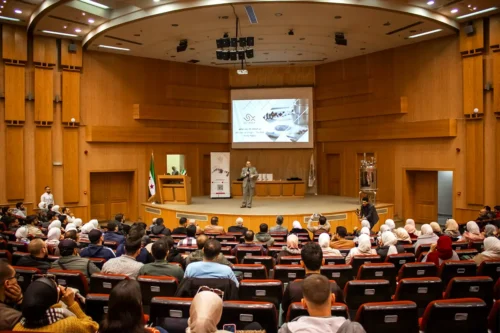
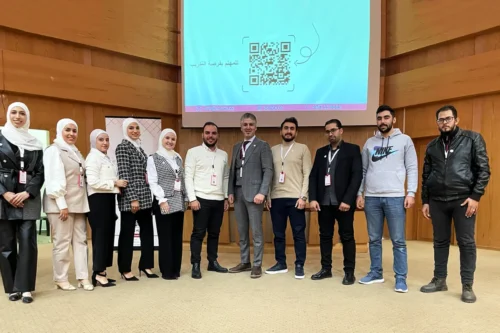
نظّمت شركة "SCINOX" ورشة عمل هندسية في جامعة دمشق لتعريف طلاب الهندسة الميكانيكية بالرحلة المتكاملة لتحويل المفاهيم الهندسية إلى آلات صناعية تشغيلية. وأبرزت الورشة كيف تتعاون مختلف التخصصات الهندسية طوال مراحل المشاريع الصناعية، بدءاً من تحليل متطلبات العملاء والتصميم الهندسي، مروراً بالتصنيع والتحقق والتشغيل، وصولاً إلى التسليم النهائي.
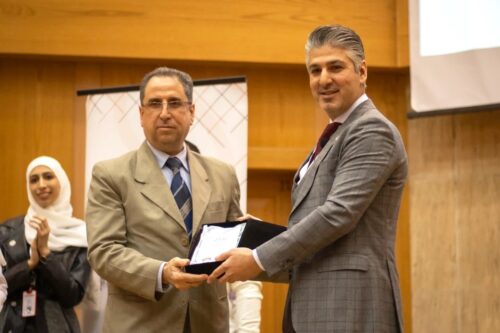
وخلال الورشة، براء عرابي، الرئيس التنفيذي لشركة SCINOXأكد على التزام الشركة بتمكين المهندسين المستقبلين عبر ربط المعرفة الأكاديمية بالتطبيقات الصناعية على أرض الواقع. كما سلط الضوء على دور 'SCINOX' في مشاركة الخبرات الهندسية العملية وتوضيح كيفية تحويل الأفكار المبتكرة إلى آلات موثوقة وحلول صناعية متكاملة.
في Scinoxنؤمن أن التعليم الهندسي يصبح مؤثرًا حقًا عندما يدرك الطلاب كيفية انتقال الأفكار من النظريات إلى التطبيق العملي. هدفنا هو تعريف المهندسين الشباب بالمرحلة الكاملة للمشروع الصناعي، بدءاً من فهم متطلبات العميل وتطوير التصاميم الهندسية، وصولاً إلى التصنيع، والتحقق، والتشغيل، وتقديم حلول إنتاجية ناجحة.»
CEO. Baraa Orabi
من المفاهيم الهندسية إلى الحلول الصناعية المتكاملة
قدّمت الورشة للطلاب فهماً عميقاً لـ دورة حياة المشاريع الصناعية لشركة SCINOX، موضحة كيف تتحول المفاهيم الهندسية إلى آلات تشغيلية بالكامل وحلول خطوط الإنتاجSCINOX'، بدءاً من تحليل متطلبات العملاء والتخطيط للمشروع، مروراً بالتصميم الميكانيكي، والتوثيق الفني، والتصنيع، وضمان الجودة، والتشغيل، وصولاً إلى التسليم النهائي للمشروع.
وتعلّم الطلاب أيضاً كيف تتعاون فرق الهندسة المختلفة طوال كل مرحلة من مراحل المشروع، بما في ذلك هندسة التصميم، والتوثيق والتحقق، وإدارة الجودة، والأتمتة، والتشغيل. يتيح هذا النهج المتكامل لشركة Scinox تقديم حلول صناعية موثوقة وعالية الأداء مصممة خصيصاً لتلبية متطلبات قطاعات الصناعات الدوائية، والغذائية، والكيميائية.
|
|
|

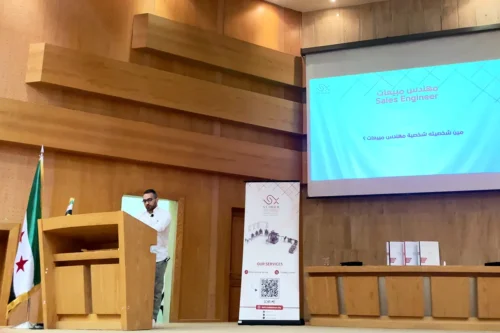
فرق الهندسة متعددة التخصصات وراء المشاريع الصناعية الناجحة
كما تعرف الطلاب على فرق الهندسة متعددة التخصصات التي تساهم في التنفيذ الناجح للمشاريع الصناعية في Scinox. سلطت الورشة الضوء على أدوار مهندسي المبيعات، ومهندسي التصميم، ومهندسي التوثيق والتحقق، ومهندسي الجودة، ومهندسي التشغيل والأتمتة، موجهةً الشرح حول كيفية إسهام كل فريق في مراحل مختلفة من تطوير الآلات وتسليم المشاريع.
ركزت الجلسة على أن الحلول الصناعية الناجحة تتطلب أكثر من مجرد خبرة تقنية في تخصص واحد؛ فهي تعتمد على التعاون الفعال بين فرق الهندسة، والتوثيق الدقيق، وعمليات الجودة الصارمة، والتنسيق السلس بدءاً من التخطيط الأولي للمشروع ووصولاً إلى التشغيل النهائي.
|
المعايير الهندسية الدولية للمعدات الصناعية الموثوقة
كما تعرف الطلاب أيضاً على الممارسات الهندسية المعترف بها دولياً والمستخدمة في تطوير المعدات الصناعية، مع التركيز على عمليات التأهيل والتحقق. وتعلّم المشاركون عن البروتوكولات الرئيسية، بما في ذلك تأهيل التصميم (DQ)، واختبار القبول في المصنع (FAT)، واختبار القبول في الموقع (SAT)، وتأهيل التركيب (IQ)، وتأهيل التشغيل (OQ)، وتأهيل الأداء (PQ)، وأهميتها في ضمان موثوقية المعدات، والامتثال للمعايير، والأداء التشغيلي.
كما سلطت الجلسة الضوء على الدور الحاسم لممارسات التصنيع الجيد (GMP) ومعايير منظمة المعايير الدولية (ISO) في تصميم وتصنيع والتحقق من الأنظمة الصناعية، لا سيما في القطاعات عالية التنظيم مثل الصناعات الدوائية، وإنتاج الأغذية، والصناعات الكيميائية.
ويعكس هذا المبادرة الالتزام المستمر لشركة Scinox بناء شراكات قوية مع المؤسسات الأكاديمية، ومشاركة الخبرات الصناعية، ودعم تطوير المواهب الهندسية المستقبلية. ومن خلال ربط التعليم الهندسي بالممارسات الصناعية الواقعية، تهدف Scinox إلى إلهام الجيل القادم من المهندسين والمساهمة في دفع عجلة الابتكار وحلول التصنيع عبر القطاعات الرئيسية.